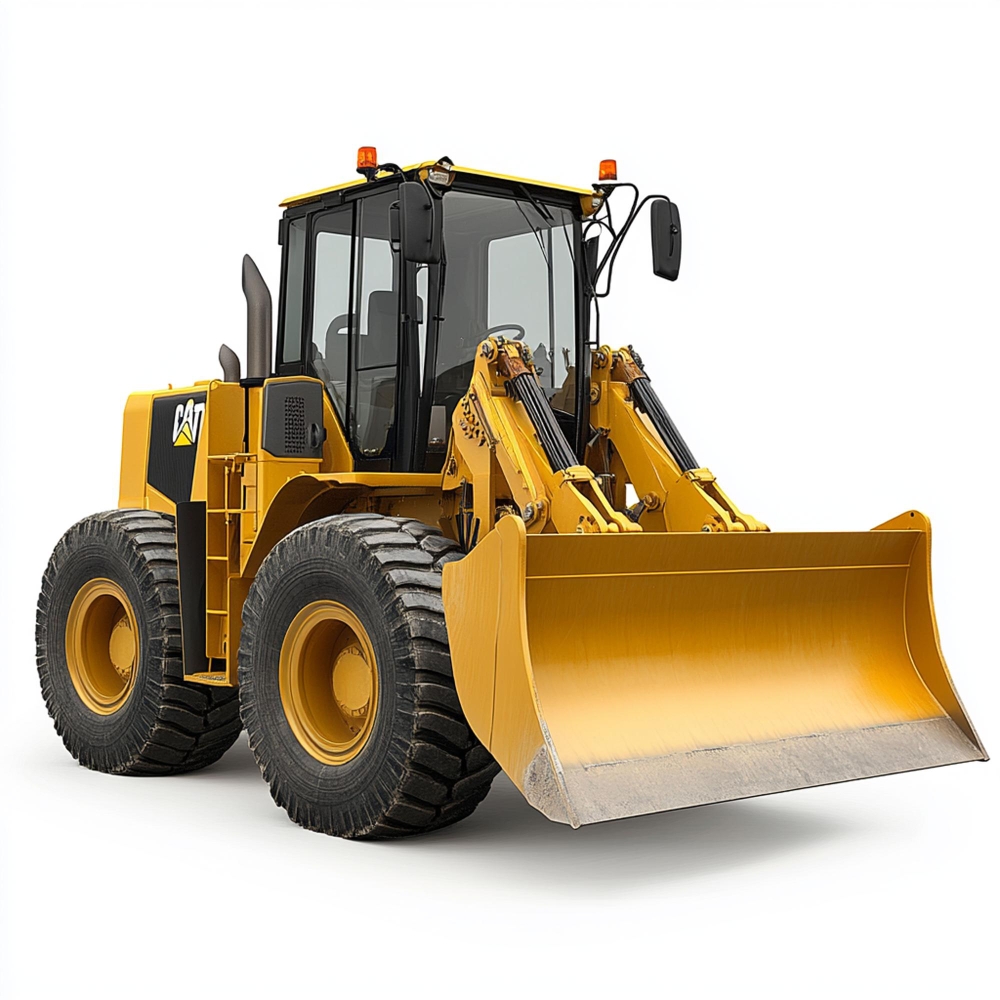
JCB bucket
Choosing the right JCB bucket for your construction project is crucial for maximizing efficiency and productivity. With various options available, understanding the types and their uses can help you make an informed decision. In this article, we will guide you through selecting the best JCB bucket based on your construction needs.
Understand Your Project Requirements
Before selecting a JCB bucket, assess the specific requirements of your construction project. Determine the type of material you’ll be handling, the volume of the material, and the terrain conditions. Different projects may require different bucket types to achieve optimal performance.
-
Material Type: The type of material you are working with influences the kind of Jcb bucket manufacturers. For instance, soft soil may require a standard digging bucket, while tougher materials like rocks or concrete may need a heavy-duty or rock bucket. Understanding this is key to choosing the right equipment.
-
Volume and Capacity: Consider the amount of material that needs to be moved. Larger projects may benefit from high-capacity buckets, allowing you to move more material in less time. However, ensure your machine can handle the added weight to avoid operational issues.
Types of JCB Buckets
There are several types of JCB buckets available, each designed for specific tasks. Here’s a breakdown of the most common types.
-
Standard Digging Bucket: This is the most versatile and commonly used bucket for general-purpose digging. It’s ideal for softer materials such as soil, sand, and clay. It’s perfect for everyday construction tasks.
-
Heavy-Duty Bucket: Designed for tougher materials like rock, gravel, and demolition debris, the heavy-duty bucket is stronger and more durable. It offers enhanced strength and durability, making it suitable for more demanding projects.
-
Rock Bucket: If your project involves breaking through hard rock or concrete, a rock bucket is your best option. This bucket type is specifically designed for high-impact conditions and can handle abrasive materials without wearing out quickly.
Consider the Terrain
The terrain on which your construction takes place also plays a significant role in selecting the appropriate JCB bucket. Flat terrain may not require specialized buckets, while rugged or uneven surfaces may benefit from more robust designs like the heavy-duty or rock bucket.
-
Stability: For uneven or rocky terrains, a bucket that offers greater stability, like a rock bucket, will help ensure safety and prevent tipping during operation.
-
Manoeuvrability: In confined or tight areas, a smaller, more manoeuvrable bucket may be preferable. This allows for precise digging without disrupting surrounding areas.
Attachments and Compatibility
When choosing a JCB bucket, ensure it is compatible with your machine. Modern JCB machines come with attachment systems that allow quick switching between different buckets, maximizing efficiency.
-
Quick Couplers: Quick couplers are essential for saving time on the job site. They allow for easy attachment changes, letting you switch between buckets without wasting time on manual adjustments.
-
Compatibility Check: Always verify that the bucket you choose is compatible with your JCB model. Incompatible attachments can lead to operational inefficiency or even damage to your equipment.
Key Factors to Consider When Choosing a JCB Bucket
Now that you are familiar with the types of JCB buckets, let's dive into the important factors you should consider when choosing the right bucket for your construction needs.
Different JCB buckets are suited to different materials. For example, if you're working with loose soil or gravel, a grading or trenching bucket may be ideal. On the other hand, for hard-packed surfaces like clay or compacted dirt, a digging bucket would perform better. For handling heavy rocks or debris, a rock bucket and jcb spare parts suppliers is the best choice. Always match the bucket to the material type to avoid inefficiency or damage to your machine.
-
The Type of Task
The specific task you're performing will play a key role in the bucket selection. Here’s a quick guide:
-
Excavating: Digging buckets with teeth for better ground penetration.
-
Grading/Finishing: Grading or ditching buckets for creating smooth surfaces.
-
Trenching: Trenching buckets designed for digging narrow and deep trenches.