How to Choose the Right JCB Bearings for Your Needs
When it comes to heavy machinery, choosing the right bearings is crucial for maintaining equipment reliability and longevity. JCB bearings play an essential role in reducing friction and supporting load, so making the right choice impacts your machinery's efficiency and performance. Here’s what you need to know about selecting the ideal JCB bearings for your needs.
1. Understand the Role of Bearings in Your JCB Equipment
Bearings are essential in JCB machinery as they reduce friction between moving parts. This leads to smoother operation, reduced wear, and improved energy efficiency. In high-load applications, quality bearings contribute significantly to the overall lifespan of the equipment, reducing the frequency of repairs and maintenance. Without reliable bearings, the efficiency of the machinery decreases, causing potential downtime and higher repair costs.
2. Know Your JCB Model Requirements
Each JCB model has specific requirements, and bearing compatibility is crucial. The correct bearing size, type, and material vary depending on your JCB model. Checking your model’s specifications is essential, as using the wrong bearing can result in equipment failure or damage. Consult your equipment manual or talk to an expert to determine the bearing specifications recommended by the manufacturer. Reputable Online Parts suppliers provide model-based listings, helping you find compatible options quickly.
3. Consider Bearing Types and Applications
Different types of bearings are suited to various applications in JCB equipment. Some common bearing types and their applications include:
-
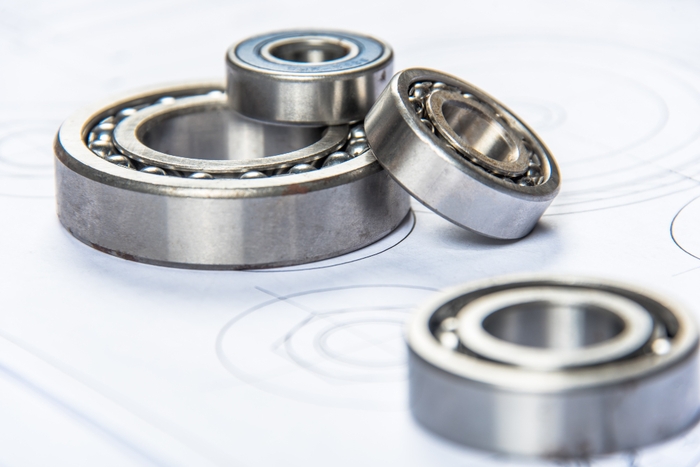
Ball Bearings: Ideal for handling both radial and axial loads. These are commonly used in JCB machinery components such as axles and motors.
-
Roller Bearings: Known for supporting heavy radial loads, roller bearings are well-suited for applications like conveyor belts and heavy-duty work.
-
Thrust Bearings: Designed specifically to handle axial loads, thrust bearings work best in rotary applications where high speed is involved.
-
Needle Bearings: Compact yet efficient, these are ideal for applications requiring reduced space but high load-bearing capability.
Choosing the right type of bearing enhances equipment performance, ensuring smooth and efficient operation across various tasks.
4. Choose Quality Materials for Durability
The material of your bearings affects their lifespan and performance. Bearings made from high-grade steel offer increased durability and corrosion resistance, making them ideal for JCB machinery. Stainless steel bearings withstand moisture and contaminants, a necessity in harsh or wet conditions. Ceramic bearings provide a lightweight yet strong alternative, though they are typically used for specialized applications. Opting for quality materials not only extends bearing life but also ensures better load support.
5. Evaluate the Load and Speed Requirements
Bearing selection also depends on load and speed requirements. High-speed applications require bearings with lower friction to avoid excessive heat generation, while heavy-load applications need robust bearings capable of withstanding intense pressure. In JCB equipment, jcb bucket, load requirements can vary, so consider these aspects carefully when choosing bearings. Reputable Online Parts suppliers provide detailed information about load ratings and speed tolerances, enabling you to make the best choice.
6. Check for Sealing and Shielding Options
Sealed and shielded bearings offer added protection against contaminants such as dirt, moisture, and debris, which can lead to premature wear. In demanding environments, sealed bearings are particularly beneficial as they ensure longevity by protecting the internal components. Shielded bearings, while offering less protection than fully sealed bearings, are still effective in moderately clean environments. Selecting the appropriate sealing option ensures that your JCB machinery operates smoothly in varied conditions.
7. Consider Maintenance Requirements
Bearings that require minimal maintenance can save time and reduce costs. Some JCB bearings come pre-lubricated, eliminating the need for frequent re-lubrication, while others might need periodic greasing to maintain optimal performance. Understanding the maintenance needs of the bearings you select ensures they remain functional and reduces the chance of unexpected breakdowns. Opt for low-maintenance bearings if your machinery is used frequently or in remote locations where regular maintenance may not be feasible.
8. Buy from Trusted Online Parts Suppliers
Sourcing bearings from trusted suppliers guarantees quality and reliability. Trusted Online Parts suppliers provide genuine JCB bearings, ensuring compatibility and performance. These suppliers often offer warranties and customer support, helping you resolve any issues quickly. When choosing an online supplier, look for positive reviews and a comprehensive product catalog to find the right bearings for your JCB machinery. Quality assurance from reputable sellers means fewer risks of counterfeit or substandard parts.